
Breast Reconstruction That Goes Beyond Appearance
Dr. Jeffrey DeSano is trained in the Resensation® surgical technique and is listed in the official Resensation® Surgeon Locator, offering eligible patients advanced options for breast reconstruction that prioritize both form and the potential for sensory nerve restoration.
Resensation®:
Restoring More Than Breast Shape After Mastectomy
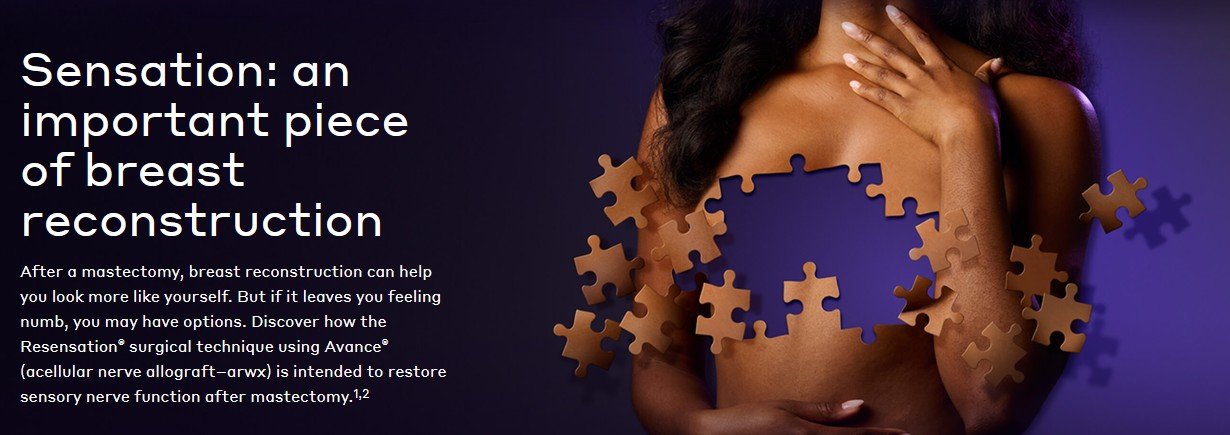
Breast reconstruction is about more than restoring your appearance—it's about restoring your sense of wholeness. While many women expect changes in the look of their breasts after a mastectomy, fewer realize that loss of breast and nipple sensation is also common because sensory nerves are often divided during surgery.
As a surgeon trained in the Resensation® surgical technique, Dr. Jeffrey DeSano, offers eligible patients an advanced approach to breast reconstruction that is designed to reconnect sensory nerves during reconstruction, with the goal of giving those nerves an opportunity to regenerate over time. While sensation cannot be guaranteed, this innovative technique represents an important advancement in modern breast reconstruction for appropriately selected patients.
What Is the Resensation® Technique?
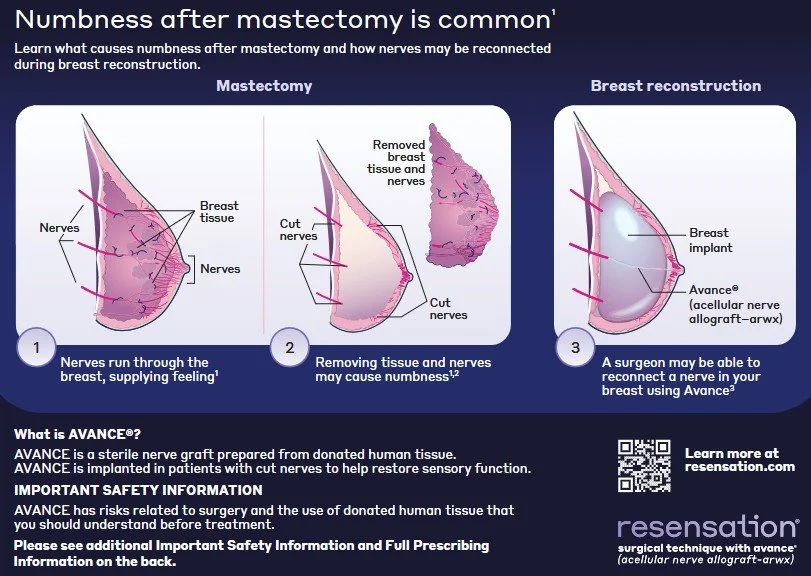
The Resensation® surgical technique uses an FDA-approved nerve allograft (Avance®) during breast reconstruction to bridge and reconnect sensory nerves that are interrupted during a mastectomy. By creating a pathway for nerve regeneration, the technique is intended to help restore protective sensation to the reconstructed breast over time.
For many women, this means breast reconstruction can focus not only on restoring beautiful breast shape, but also on preserving an important aspect of everyday quality of life.
Why Does Sensation Matter?
After a mastectomy, permanent chest numbness is common because nerves that provide feeling to the breast are often cut during surgery. This loss of sensation can affect more than comfort—it may influence daily activities, body awareness, intimacy, and protection from injury such as burns or cuts.
Advances like the Resensation® technique are changing how breast reconstruction is approached by recognizing that sensation can be an important part of the recovery journey.
Why Does Sensation Matter?
After a mastectomy, permanent chest numbness is common because nerves that provide feeling to the breast are often cut during surgery. This loss of sensation can affect more than comfort—it may influence daily activities, body awareness, intimacy, and protection from injury such as burns or cuts.
Advances like the Resensation® technique are changing how breast reconstruction is approached by recognizing that sensation can be an important part of the recovery journey.
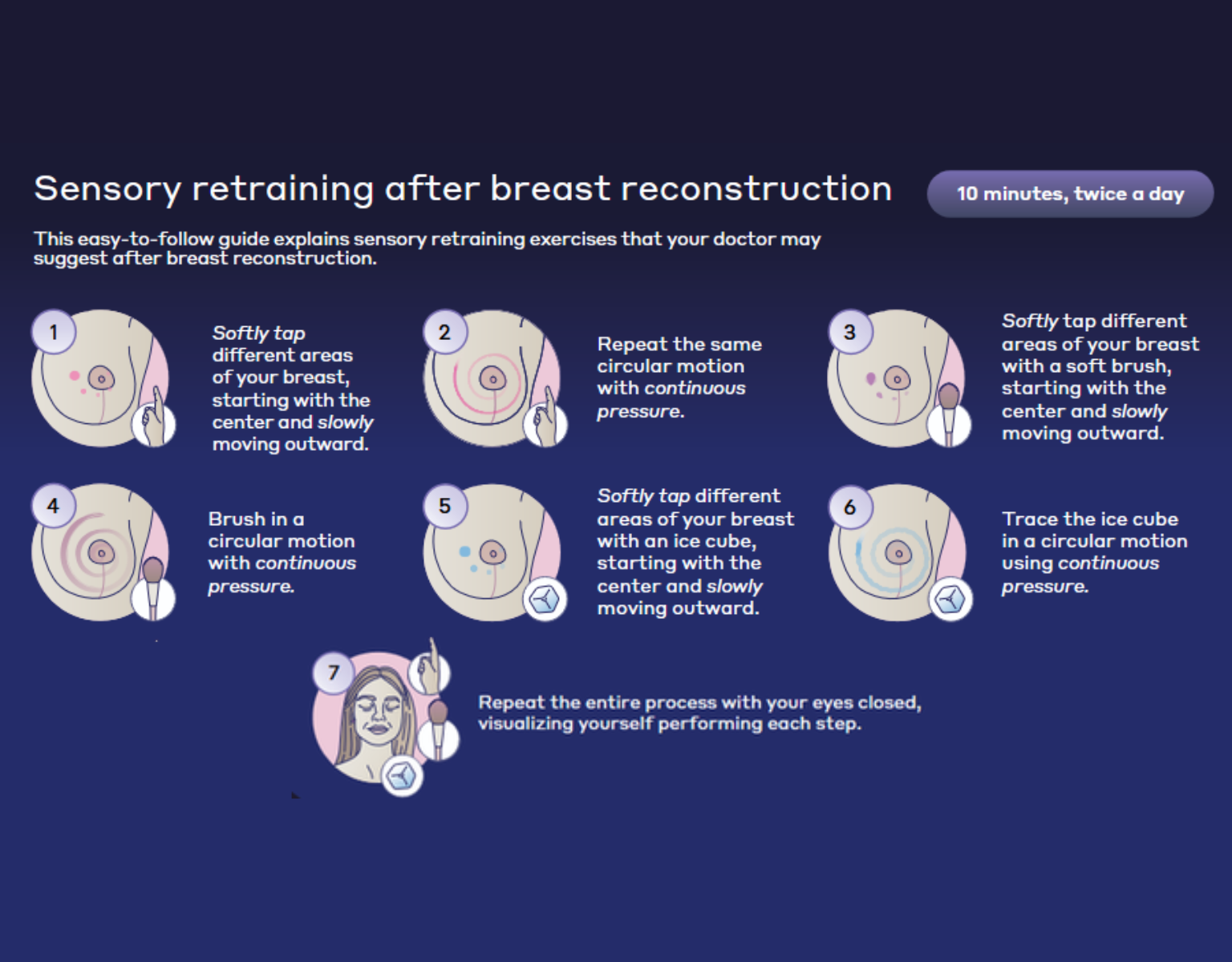
Why Choose Dr. Jeffrey DeSano?
Dr. Jeffrey DeSano is trained in the Resensation® surgical technique and is listed in the official Resensation® Surgeon Locator. His approach to breast reconstruction combines advanced microsurgical techniques with compassionate, personalized care—helping patients explore options that restore not only breast shape, but quality of life whenever possible.
At West Maple Plastic Surgery, every reconstructive plan is thoughtfully designed around your diagnosis, anatomy, and long-term goals because The DeSano Difference means caring for the whole patient—not just the procedure.
Frequently Asked Questions
-
Loss of sensation is common after a mastectomy because sensory nerves are often divided during surgery. The Resensation® technique is designed to reconnect certain nerves during breast reconstruction, giving them an opportunity to regenerate over time. Individual outcomes vary, and restoration of sensation cannot be guaranteed.
-
Yes. The Resensation® technique may be performed during implant-based breast reconstruction for eligible patients, including immediate, delayed, and some revision procedures
-
In many cases, yes. The technique may also be incorporated into autologous (flap) breast reconstruction for appropriate candidates.
-
The goal of the Resensation® technique is to provide an opportunity for sensory nerve recovery. Because healing varies from person to person, the amount and timing of sensation that returns cannot be predicted or guaranteed.
-
Ideally, patients should discuss the Resensation® technique before undergoing a mastectomy so it can be considered as part of their reconstructive plan. However, some patients undergoing delayed reconstruction or certain revision procedures may also be candidates.